



The How When and Why of eating
The How When and Why of eating, We know that healthy eating is important for our physical and mental health and wellbeing. But healthy eating is about more than what we eat. What may be less well-known is that healthy eating is also about how, when and why we eat.
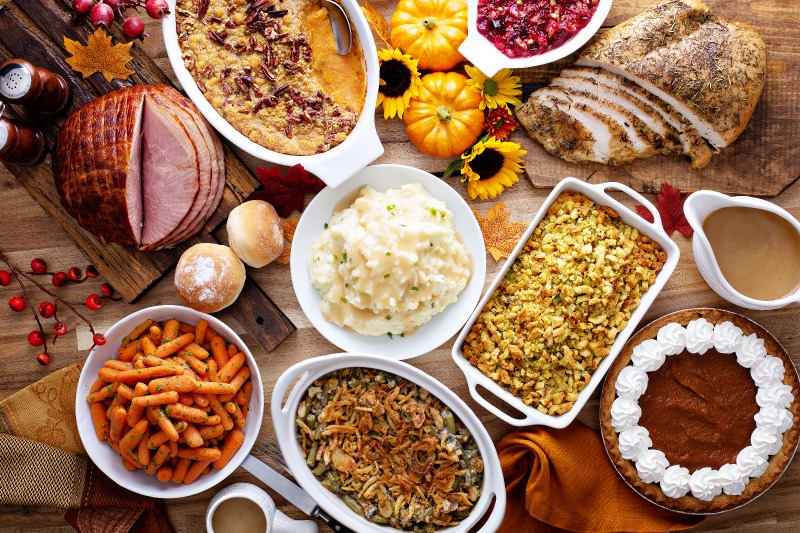
This might include things like:
- Time (should we breakfast like a king?)
- Speed (fast or slow)
- How often (snacking)
- Our food environment (where we eat and who we eat with)
- Our emotional and mental state or how tired we are
- Portion sizes
All these factors could influence what we eat and our relationship with food and may impact our health.
As our lifestyles have become busier and more demanding, our eating habits and patterns have changed. So, thinking about how we eat may be more important than ever.
If you want to find out more about the how, when and why of eating, watch our new video.
https://youtu.be/7-w9fVMDvTc
The eating styles include the following: “Emotional Eating” (eating to manage feelings); “Fresh Food, Fast Food” (eating mostly processed, high-calorie food; less fresh food); “Food Fretting” (judgmental thoughts and overconcern about food); “Task Snacking” (eating while doing other activities); “Sensory, Spiritual Nourishment” (“flavoring” food with meaning); “Eating Atmosphere” (dining aesthetics and surroundings); “Social Fare” (eating alone vs with others).
Further research is needed to assess the degree to which practicing and implementing these eating styles integrative will decrease overeating, overweight, and obesity.
Make half of your plate fruits and vegetables. Eat whole-grain, high-fiber breads and cereals (3 to 6 servings a day). Reduce or eliminate refined or processed carbohydrates; at least half of the grains in your diet should be whole grains.
Choose foods and beverages from all food groups — vegetables, fruits, grains, dairy, and proteins — not just 1 or 2 of them. Eat a mix of foods within each food group. For example, each week try eating several types of vegetables, including dark green, red and orange, starchy ones, legumes, and others.

Leave a reply
You must be logged in to post a comment.